Advantages of our hospitality solar planning
Company advantages
Six strengths that make rooftop solar work for high-standard stays.
Our model combines planning discipline, visual sensitivity, and hospitality-specific execution so solar adoption feels practical rather than disruptive.
Hospitality-Centered Roof Assessment
Our first advantage is a feasibility process built specifically for accommodation properties. We evaluate the roof not only by square meters and orientation, but also by how the property functions from dawn to late evening. Plant rooms, terraces, guest-facing viewpoints, technical corridors, façade lines, and emergency access all affect what a high-quality installation should look like. By studying these layers together, we create a plan that respects aesthetics, safety, and service routines instead of forcing a generic industrial layout onto a hospitality building.
Architectural Integration with Visual Restraint
Many owners want clean energy benefits without compromising the visual impression of their asset. We answer that with careful placement logic, low-profile component choices, discreet cable routing concepts, and presentation materials that help stakeholders understand how the installation will read from terraces, neighboring buildings, and street level. The visual result matters because guest confidence, brand standards, and investor perception are central to hospitality value. Solar should appear considered, not improvised.
Realistic Yield Thinking for Daily Operations
We prioritize practical energy matching over inflated assumptions. Hospitality properties have unique daytime loads driven by cooling systems, circulation spaces, kitchens, hot water support, and housekeeping operations. Our planning approach compares likely solar generation with the property's operational rhythm so management can understand where on-site energy will support the business most effectively. This helps shape better investment decisions and clearer expectations around consumption offsets, peak daytime coverage, and future efficiency upgrades.
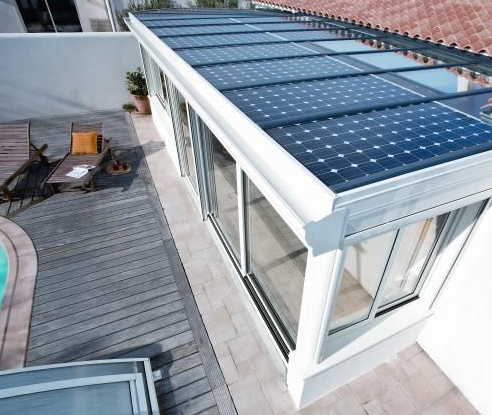
Coordinated Delivery with Minimal Guest Disruption
Installation in an active hospitality environment demands scheduling discipline. We help organize workflows around occupancy, supplier access, service hours, rooftop restrictions, and communication between property management and technical teams. This lowers the chance of unnecessary interruption near guest areas and keeps operational departments informed. A well-sequenced project protects service quality while still moving efficiently from planning to commissioning.
Lifecycle Support and Maintenance Clarity
Long-term value depends on more than installation day. We define cleaning access, inspection routines, inverter placement logic, monitoring expectations, and practical service documentation from the start. Hospitality owners benefit from understanding how the system will be maintained year after year, especially when roof access must remain controlled and building presentation matters. Clear lifecycle planning protects output and reduces avoidable service complications.
Sustainability Storytelling Grounded in Facts
Guests, partners, and investors increasingly expect hospitality businesses to explain their sustainability actions with credibility. We help properties translate the technical project into meaningful communication supported by actual system purpose and building strategy. That means cleaner reporting language, stronger ESG positioning, and a visible commitment that aligns environmental responsibility with operational substance rather than vague promotional statements.